Why a Nurses Email List Makes It Easier to Connect with Active Nurses

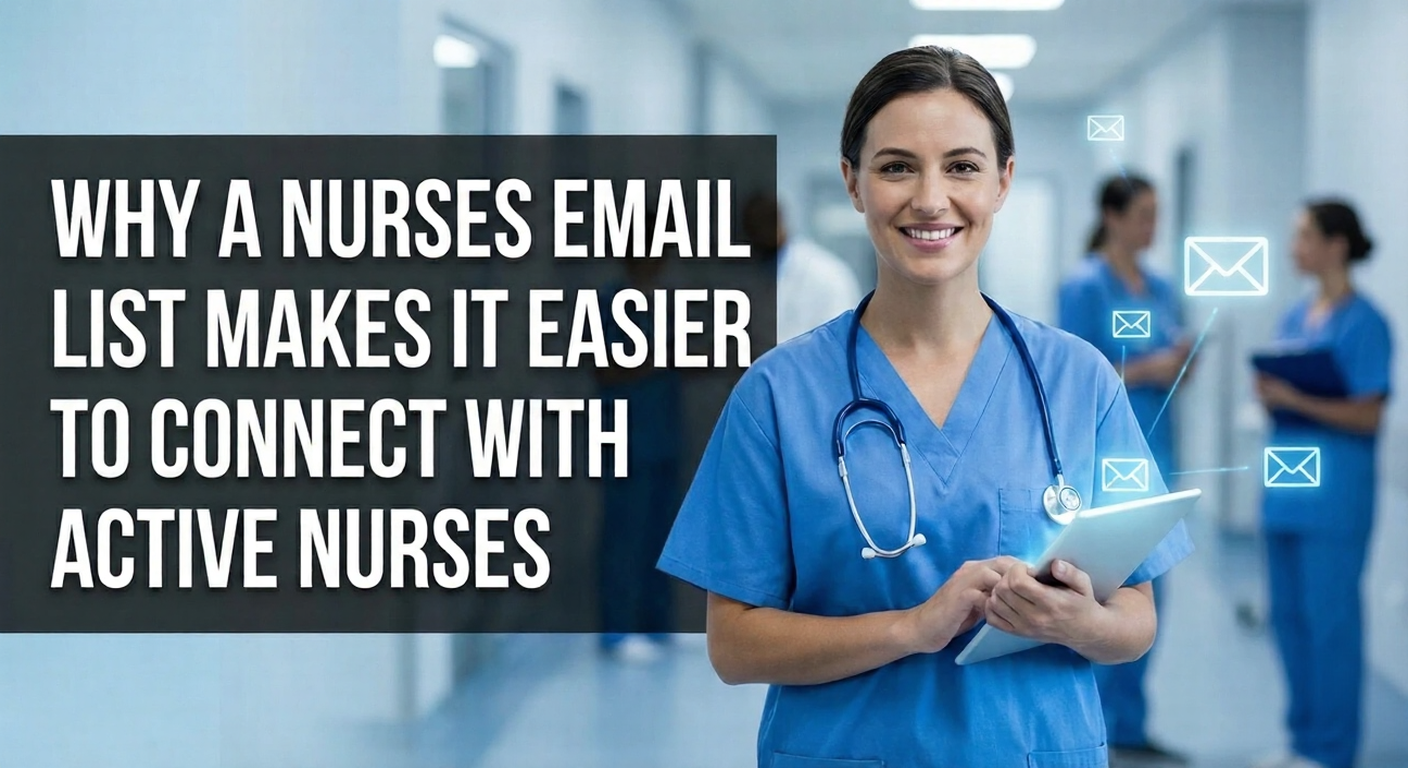
Reaching nurses is not about sending more messages. It is about reaching nurses who are currently working, actively engaged, and open to professional communication. Many healthcare marketers struggle because their outreach reaches outdated contacts, inactive professionals, or the wrong nursing roles.
A Nurses Email List solves this problem by creating direct access to nurses who are active in the field today. It simplifies targeting, improves response quality, and makes outreach feel relevant instead of intrusive. When done right, it becomes one of the most reliable ways to connect with nurses who matter.
Why Is Connecting with Active Nurses So Difficult?
The nursing workforce is large, dynamic, and constantly changing. Nurses shift roles, change workplaces, move between specialties, or step away from clinical practice. Due to this movement, many contact databases become outdated quickly. Messages end up reaching inactive addresses or professionals no longer working in patient care. This creates frustration and poor results.
A Nurses Email List built around active professionals reduces this gap. It focuses outreach on nurses who are currently practicing and reachable.
What Does “Active Nurse” Mean?
- An active nurse is not just someone with a nursing degree. It is someone currently employed, engaged in clinical or professional practice, and involved in day-to-day healthcare delivery.
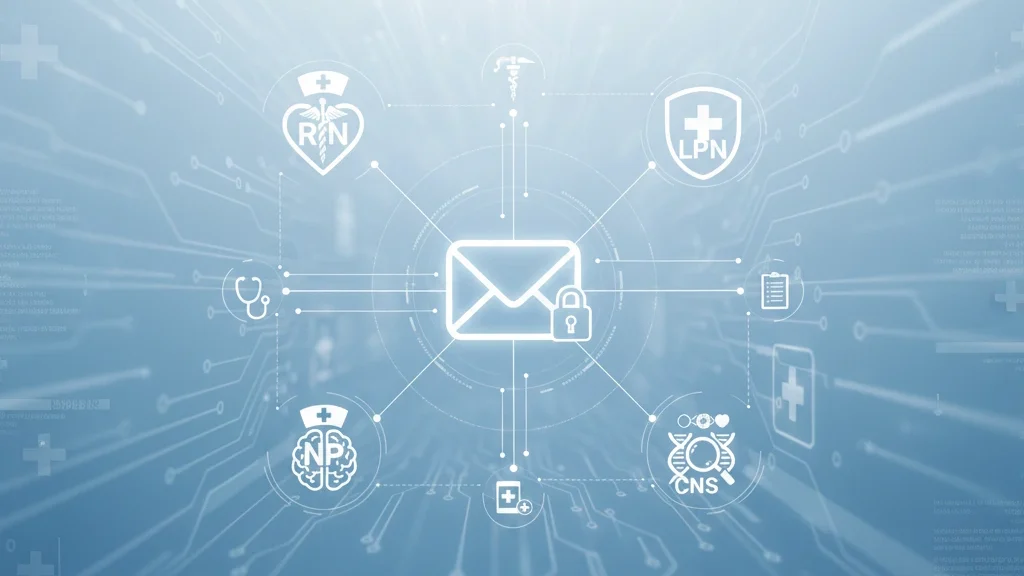
- This includes Registered Nurses, Licensed Practical Nurses, Nurse Practitioners, and Clinical Nurse Specialists who are working in hospitals, clinics, long-term care facilities, or specialized healthcare settings. Reaching active nurses means your message enters real workflows, not outdated inboxes.
- Many healthcare databases group all professionals together. Nurses, administrators, technicians, and support staff are often mixed without clear role separation. This lack of focus weakens outreach. Nurses receive messages that do not apply to their responsibilities, and marketers see low engagement as a result. A targeted Nurses Email List avoids this problem by isolating nursing roles and ensuring messages are delivered to the right professionals.
How a Nurses Email List Improves Access to Working Professionals
- Access is the biggest challenge in nurse marketing. Nurses work long shifts, handle emergencies, and manage patient care with limited downtime. Cold calls interrupt care. Ads are ignored. Social media is restricted in many clinical environments.
- Email fits naturally into how nurses manage information. A Nurses Email List ensures your message reaches them when they are available to engage. Early mornings, late evenings, or between shifts.
- Not all nurses influence decisions in the same way. A Registered Nurse may focus on patient care tools and workflow improvements. A Licensed Practical Nurse may prioritize efficiency and practical support resources.
- A Nurse Practitioner often plays a role in diagnosis, treatment planning, and patient education. A Clinical Nurse Specialist may influence policy, training, or system-level decisions. A segmented nurses email list allows you to align messaging with each role instead of treating all nurses the same.
How Email Makes Professional Outreach Less Intrusive
- Nurses value respect for their time. Aggressive outreach creates resistance. Email allows nurses to choose when to read, respond, or ignore a message without pressure. This control makes email one of the most accepted communication channels in healthcare.
- A Nurses Email List supports this respectful approach, helping brands communicate without disrupting patient care. Nurses engage when content reflects their reality. They respond to messages that acknowledge workload, patient responsibility, and clinical challenges.
- Generic promotions fail because they lack context. Targeted email works because it speaks directly to professional needs. When outreach is relevant, nurses feel understood rather than marketed to.
How a Nurses Email List Supports Better Message Timing
- Timing plays a major role in nurse engagement. Nurses rotate shifts, manage varying schedules, and experience periods of high workload. Email allows flexibility. Messages can be scheduled and read when convenient. A Nurses Email List ensures those messages reach active inboxes rather than inactive accounts.
- Better timing leads to better responses. In nurse marketing, a smaller list of active professionals is far more valuable than a large, mixed database. Wrong contacts waste effort and harm credibility. Correct contacts lead to meaningful conversations.
- A quality Nurses Email List prioritizes accuracy. Current roles, valid email addresses, and active professionals. This precision improves every campaign metric. Nurses trust brands that educate rather than push. Email allows consistent, low-pressure communication.
- Sharing useful insights, professional resources, or educational updates builds familiarity. Over time, nurses recognize your name and associate it with value. A Nurses Email List supports this gradual trust-building process instead of forcing immediate responses.
Can Email Lists Help with Nurse Recruitment and Education?
- Yes, especially when targeting active professionals. Recruitment campaigns benefit from reaching nurses who are already practicing and may be open to better opportunities. Education and training programs perform well because nurses regularly seek continuing education.
- Email allows you to present these opportunities without interrupting work routines for your targets. Campaigns perform better when audiences feel understood. Nurses respond when messaging reflects their role, experience level, and challenges. A Registered Nurse expects different content than a Nurse Practitioner. A Clinical Nurse Specialist looks for depth and leadership insights.
- Nurse-specific targeting turns outreach into professional communication rather than generic marketing. The biggest mistake is assuming all nurses think and act the same. Another is sending overly sales-driven messages that ignore clinical realities.
- While we are speaking about mistakes to avoid, let’s also look at sending too many emails and messages. Over-emailing is a big issue. Nurses value quality over frequency. Every message should serve a purpose. A Nurses Email List works best when paired with thoughtful, respectful communication.
How Do You Know You Are Reaching Active Nurses?
Engagement quality reveals the answer. Replies that ask questions, request information, or express interest indicate active professionals. When nurses engage thoughtfully instead of ignoring messages, outreach is reaching the right audience.
Progress may be steady rather than fast, but it is meaningful. Not every nurse responds immediately. That does not mean the message failed. Email allows long-term visibility. Nurses may remember your message weeks or months later when the timing fits their needs. A Nurses Email List supports sustained engagement instead of one-time contact.
Final Thoughts: Access Makes Connection Easier
Connecting with nurses becomes easier when outreach is focused, accurate, and respectful. A well-built Nurses Email List helps you reach Registered Nurses, Licensed Practical Nurses, Nurse Practitioners, and Clinical Nurse Specialists who are actively working and open to relevant communication.
When access improves, conversations improve. When conversations improve, results follow. That is why a nurses email list makes it easier to connect with active nurses. Not by sending more messages, but by sending the right ones to the right professionals.